Partnering with a Grease Trap Company: Daily Readiness and Regulatory Compliance for Food Businesses
Business Name: Elite Sanitation Services
Address: Saucier, MS 39574
Phone: (228) 297-4850
Elite Sanitation Services
Since 2016, Elite Sanitation Services has been the premier provider for all your sanitation needs. We deliver comprehensive solutions. Our expert team ensures seamless service for events and construction sites, handling everything from septic system services to grease trap pump-outs and jetting services. We are dedicated to providing superior sanitation services with unmatched reliability and professionalism.
Saucier, MS 39574
Business Hours
Grease control isn't glamorous. It sits under a stainless prep table or outside behind a steel cover, capturing whatever your line tosses at it. Yet that box has an outsized effect on your kitchen area's health, your capability to pass inspections, and your budget plan. The distinction between a smooth service and a late night shutdown often boils down to how well you and your grease trap company interact, day in and day out.
I have opened days with a flooring that smells like a fried-food hangover, and I have actually stood next to a pumper truck at 5 a.m. Enjoying a tech take out a mat so thick you could flip it like a pancake. The pattern is constantly the exact same. The businesses that deal with grease control as a shared responsibility in between their group and a trusted grease trap service hardly ever see emergencies. The ones that punt it to "whenever it supports" pay more, lose time, and choose battles with regulators they will not win.
What lives inside the box
A grease interceptor, huge or little, separates fats, oils, and grease from wastewater. The physics are standard. Hot water brings fat off plates and pans. That water cools, grease increases, solids settle, cleaner water exits to the sewage system. The trap slows the flow so the separation has time to take place. Baffles keep the grease from leaving downstream.
Even when you do whatever right on the line, the trap fills. Soap does not dissolve fat. Hot water just delays the solidifying. Enzyme or additive products push grease downstream where it hardens in your pipes or the city main. Many municipalities ban ingredients outright or need specific approval. The only safe, authorized approach is mechanical removal, meaning full pump out, scraping the walls, rinsing, and disposal at a permitted facility.
When the trap is ignored, you begin to see practical changes before the crisis. Flooring drains bubble throughout rush. Preparation sinks drain more gradually. There is a sweet, stagnant smell that heightens after the dishwashers run. The lid location becomes slick, with flies that enjoy the environment. None of these are cause to panic yet, but all of them are early warnings that your grease trap cleaning schedule and daily routines need attention.
What regulators in fact expect
Local codes vary, but the principles repeat throughout cities and counties.
First, the 25 percent guideline. If the combined layer of fats on the top and solids on the bottom equals a quarter of the reliable liquid depth, the unit should be serviced. That is based upon performance, not a calendar. Lots of health departments construct their routine inspection questions around this requirement and will ask to see records that show compliance.
Second, frequency. A common baseline is every 30 to 90 days for interior traps. Some quick service kitchen areas pumping a great deal of fryer oil by volume need every 2 to 4 weeks. Outside interceptors are larger, so you might see 60, 90, or 120 day intervals, however that just works if day-to-day routines are strong and you stay under 25 percent accumulation. Regulators will set your minimum once they see your patterns.
Third, manifests and recordkeeping. Most jurisdictions need a transporting manifest for each grease trap service visit. It must consist of the generator name and address, system size, date and time, total gallons gotten rid of, location disposal center, and hauler license or allow number. Keep copies on website for one to three years, depending on local rules. Auditors want to trace your waste from the trap to the last processor.
Fourth, discharge limits. If your town keeps track of FOG concentrations at your lateral or a common line in a plaza, there will be a numeric limitation, typically in the 100 to 250 mg/L variety, in some cases lower for delicate systems. High readings can set off surcharges, increased frequency needs, or notices of infraction. The origin is usually poor everyday practices paired with past due service.
Finally, enforcement. Penalties are real. I have seen $250 warning fines become $2,500 repeat violations and, in numerous seaside cities, momentary holds on food allows till the concern is corrected. Cleanup expenses after an overflow, especially if it escapes to storm drains, compound the bill and bring in ecological companies. The most affordable course is preventive.
The anatomy of a strong partnership
A grease trap company ought to be more than a phone number on a sticker. You desire a service that knows your menu, volume, pipes layout, hours, and regional guidelines. That relationship begins with a website check out, not an estimate over the phone. A great tech will measure the interceptor, check access, examine baffles, ask about peak periods, and peek at the meal location to comprehend just how much solids pack you create.
Discuss frequency, but concur that it will be validated by determined sludge and grease thickness on the very first 2 or 3 services. Excellent service providers document those measurements with a dip stick, pictures, and a written report. That lets you adjust to the 25 percent guideline rather than guessing.
Ask about disposal. Reputable haulers release to allowed grease processing centers or wastewater plants that accept grease. Get the names of those centers and be sure they appear on your manifests. If the hauler can not supply this, keep looking.
Emergency response matters. Backups do not await office hours. Set expectations for reaction time, preferably within two to four hours for a true obstruction. Clarify pricing for after hours, weekends, or holidays so you are not shocked when a truck appears at 11 p.m. After a Saturday dinner rush.
Insurance and training count. The crew will open heavy lids, possibly work around traffic, and utilize vacuum trucks with effective pumps. They ought to be trained in confined area awareness, even if they are not getting in, and bring spill packages. Your organization must be noted as a certificate holder on their insurance coverage so you are informed of any protection lapses.
Finally, scope of work. Full service implies total pump out of all chambers, scraping and rinsing walls and baffles, getting rid of solids, and sealing the cover with a fresh gasket or sealant where required. Partial pumping, sometimes offered as a low price, just gets rid of the leading layer. It leaves heavy solids behind and reduces the time until your next backup.
Daily preparedness starts on the line
The most significant motorists of grease accumulation are plate waste and pan residue. You can slow that river of fat with consistent practices that barely add time to the shift. Scrape plates and pans into the trash before they get anywhere near a sink. Usage sink strainers and empty them typically. Train meal staff to wash with tempered water instead of blasting with scalding warm water that liquefies whatever and overwhelms the trap. Keep an identified drum for waste fryer oil, and never put oil into a sink, even when you remain in a rush at closing.
I like an easy, noticeable log posted near the meal location. Each shift checks 2 products: strainer condition and sink circulation. That little ritual keeps awareness high. Pair that with a weekly 5 minute walkthrough by a supervisor who raises the trap lid, eyeballs the grease cap, and notes any smell. If the cover needs tools or sealant, schedule a tech for a quick check instead, because you do not want inexperienced staff prying a rusted cover.
Here is a short checklist you can utilize without overcomplicating things.
- Scrape plates and pans into the trash before rinsing, then utilize sink strainers.
- Empty strainers and clean sink bowls when they look more like soup than water.
- Keep fryer oil in a devoted container for recycling, never down a drain.
- Run pre-rinse and dishwashers at suggested temps, not scalding, to prevent pushing liquefied fat through the trap.
- Note sluggish drains pipes or smells immediately in a log, then inform a supervisor if they persist.
How often should you schedule grease trap cleaning
The right interval depends upon your food, volume, and routines. A sandwich store with light cooking can frequently stretch to 90 days on an indoor trap, supplied they manage solids. A fried chicken idea running two banks of fryers may require 14 to 30 days. A hotel with banquet volume and irregular staffing may land at 60 days even with a large outdoor interceptor.
Some signals help calibrate:
- If the top layer forms a thick, firm mat that a gloved finger can not easily stir, you are overdue.
- If you start to smell a sweet, swampy smell near the meal location after service, you are in the gray zone.
- If the pump truck consistently gets rid of a volume within 10 to 20 percent of your interceptor's rated capacity, and solids are heavy, your period is too long.
Menu modifications matter. Including a popular short rib or fried appetiser area can move you from 60 to 45 days with no modification in headcount. Seasonal rushes can do the same. In December, when celebrations accumulate, consider a mid month service. It is more affordable than a Saturday night shutdown.
Space and access drive functionality. An under sink trap may be just 20 to 50 gallons. These small systems fill quick and can block unexpectedly if a strainer is missing out on for a couple of days. The reality is that numerous such traps need 14 to 30 day attention depending upon use. If that cadence pressures your budget plan, purchase training and upstream controls to slow the load. Meanwhile, prepare the service during off hours or pre open windows so the odor does not hit prep.
What a professional grease trap service visit should look like
When the crew gets here, they should park safely, set cones if needed, and sign in with a manager. For interior traps, they will safeguard surrounding floors, remove the cover carefully, and take a quick measurement of grease and solids. Then they will Grease Trap Pumping place the vacuum hose pipe, eliminate all contents, and scrape the walls and baffles. Some will rinse with water and vacuum once again to catch residuals. If they find a harmed baffle or missing out on gasket, they need to flag it with pictures and note it on the report.
For outdoor interceptors, expect a heavier setup. The truck will stage near the manhole, get rid of the cover areas, and follow the exact same complete elimination and scraping actions. It is typical for this to take 30 to 90 minutes depending upon size, access, and condition. At the end, the lid needs to be reset square and sealed where required, the area cleaned down, and any splatter controlled. Ask the tech to show you the grease density reading they taped, then conserve the service ticket and manifest.
If the crew only skims the leading or refuses to open several chambers, that is a red flag. Interceptors frequently have different compartments for solids and FOG. Avoiding a chamber leaves solids that will move and clog the outlet. Quality assurance here pays off in months of problem totally free operation.
The documentation that saves you throughout audits
A neat binder can turn a tense inspection into a casual chat. Keep a dedicated grease control folder with:
- Copies of all grease trap cleaning manifests with volumes removed and disposal sites.
- An easy service log that notes dates, suppliers, and any corrective actions.
- An everyday or weekly list with initialed entries, even if it is just 2 line items.
- Any correspondence from your city related to FOG requirements, including your designated frequency.
- Photographs of the trap interior taken quarterly, if your hauler supplies them. They reveal that walls are clean and baffles intact.
Retention durations vary, however one to 3 years is normal. If you are part of a bigger brand, scan and keep digital copies too. The best inspectors I know value clearness and will frequently decrease their scrutiny when they see constant records.
The genuine expense math
Most operators understand unit prices, not system expense. A basic interior trap service might cost $200 to $450 in numerous markets, higher in thick urban areas. Big outdoor interceptors can run $400 to $900 depending upon size, range to truck staging, and market rates. If your hauler travels far or deals with tight access, expect a premium.
Compare that to the expense of a backup throughout peak. A plumbing professional may charge $250 to $600 for a cable television or jetter, if the blockage is available. If the trap is the culprit and needs an emergency pump out, include another $300 to $800 after hours. If wastewater overruns into preparation or guest locations, plan for sterilizing, possible lost shifts, and, in the worst cases, remediation that easily strikes 4 figures. Add the soft costs, like staff hours invested rescheduling, calming visitors, and cleaning after midnight. Regular service looks cheap.
Surcharges from the city can be peaceful yet costly. Some towns add a regular monthly cost if your FOG discharges test high, often in the $50 to $200 range, till you prove control. That accumulates over a year. You can burn the exact same cash on 3 or 4 preventive pump outs that actually repair the condition.
Edge cases and judgment calls
Not every kitchen area fits the standard playbook.
Under sink traps in tight areas can be uncomfortable. Make sure the plumbing professional set up a trap with a detachable cover and enough clearance for a tech to service it without taking apart half your millwork. If you can not lift the cover without moving devices, you will pay more and service gets delayed. A small redesign or hinge package can pay for itself in a couple of visits.
Food trucks and kiosks deal with constraints on water and waste holding. If you run mobile units that hook into a commissary, the commissary's interceptor takes the hit. Coordinate with them to share records, particularly if the health department examines your mobile operation separately.
Shared interceptors in shopping centers or multi occupant pads produce conflict. If the line surpasses limits, the proprietor may pass costs to all occupants. Keep your own records tight and ask your grease trap company to document your trap condition. That method, if a neighboring tenant overlooks their system, you have evidence you are not the source.
Septic systems include a twist. Grease management is much more vital since fats drift in the septic tank and can obstruct the soil absorption location. Regional guidelines may require both a grease interceptor and more frequent septic pumping. Make sure your hauler is approved for both streams.
Winter weather causes covers to bond to their frames. A provider who brings de icers and spare gaskets will finish the job without breaking concrete. Storm schedules also press emergency situation response. Strategy additional buffer time around holidays and heavy snow periods.
Training that sticks
Grease control lives or dies with your group's habits. I like to consist of a two minute pre shift pointer once a week. Keep it simple, like "Today, we are seeing sink strainers. If you dispose a strainer filled with solids into the sink, you are undoing all of our work." Turn the focus. Some weeks speak about oil handling, other weeks about reporting sluggish drains. Commemorate when the log shows absolutely no odor notes, since that indicates the system is working.
Assign accountability. A lead in the meal location can preliminary the daily list. A supervisor can examine the weekly walkthrough. When the grease trap service comes, have the opener or a manager sign the ticket, look at the readings, and keep in mind any recommendations. If the crew needs to remove an old seal each time, schedule a repair and stop losing 20 minutes of service time per visit.
When the sink backs up during the rush
Backups occur. What matters is how regulated your action looks. Keep this simple plan posted near the dish area.
- Stop water circulation immediately at sinks and meal makers, then reroute dirty ware to a bus tub or backup station.
- Check strainers and apparent blockages at the fixture first, clear if safe, and do not utilize warm water to press through.
- If the trap is interior and accessible, try to find overflow or lid seepage, then call your grease trap company and plumber together.
- Contain any spill with towels and a mop, sterilize affected locations, and keep food prep zones isolated.
- Log the event with time, staff on task, and actions taken, then review with your service provider to change service frequency.
This technique can conserve you an hour of mayhem and offers your hauler context to identify origin. In many cases, the fix is not heroic. It is just past due service coupled with a stopped up strainer upstream.
Working smoothly with inspectors
Invite inspectors into your process rather than playing defense. When they arrive, show them clear access to the trap, a clean pad or flooring around it, and your binder of records. If you have recently altered frequency based on determined thickness, point that out and reveal the report. If you had an event, do not hide it. Describe the actions you took and the modification you made with your grease trap service. Inspectors are trained to search for patterns. When they see you determine, record, and correct, they relax.
Choosing the ideal grease trap company
Price matters, however the most inexpensive quote that avoids half the work will cost you later. When you vet service providers, search for a few telltales of professionalism. Do they perform and tape-record pre and post measurements of grease and solids? Do they provide photos of the interior after cleaning? Can they call the disposal facilities they utilize, and do those names appear on your manifests? Do they provide foreseeable scheduling with pointers and a method to reschedule when your peak moves change?
Ask for recommendations from comparable operations. A coffee bar and a high volume fryer house do not share the very same problems. A company who keeps chicken chains operating on 21 day cycles understands how to deal with heavy loads and short windows. Also, ask about include ons. Some companies bundle light pipes, baffle repairs, or inlet basket replacements. Others adhere to pumping only. There is no single right response, however it is much better to understand what you are getting.
Technology assists, however substance matters more. Timestamped reports with GPS are useful, yet they do not change a cleaned up baffle. Still, those tools reveal you the crew showed up when they said they did and help you match service times to your logs.
The payoff for doing this well
When you get the rhythm right, the system fades into the background. Staff stop talking about smells. Drains run clear. The truck appears on a foreseeable cadence, does the work, and leaves behind a clear record. You pass examinations with minutes to spare. Most of all, your attention remains where it belongs, on guests and food.
Grease control is not rocket science, but it does reward care and collaboration. Treat your grease trap company like a colleague, not a last option. Give them data from your floor, request for theirs from the trap, and make small adjustments as your menu and seasons change. Set that with a couple of non negotiable habits at the sink and on the line. You will spend less, sleep much better, and prevent the type of midnight memories no operator wants, like mopping a flooded meal pit while a pumper truck idles outside.
A kitchen area that is day-to-day ready and compliant is not luck. It is the result of stable practice, truthful communication, and a supplier who does the complete job every time. If your present partner is not providing that, it is worth the effort to find one who will.
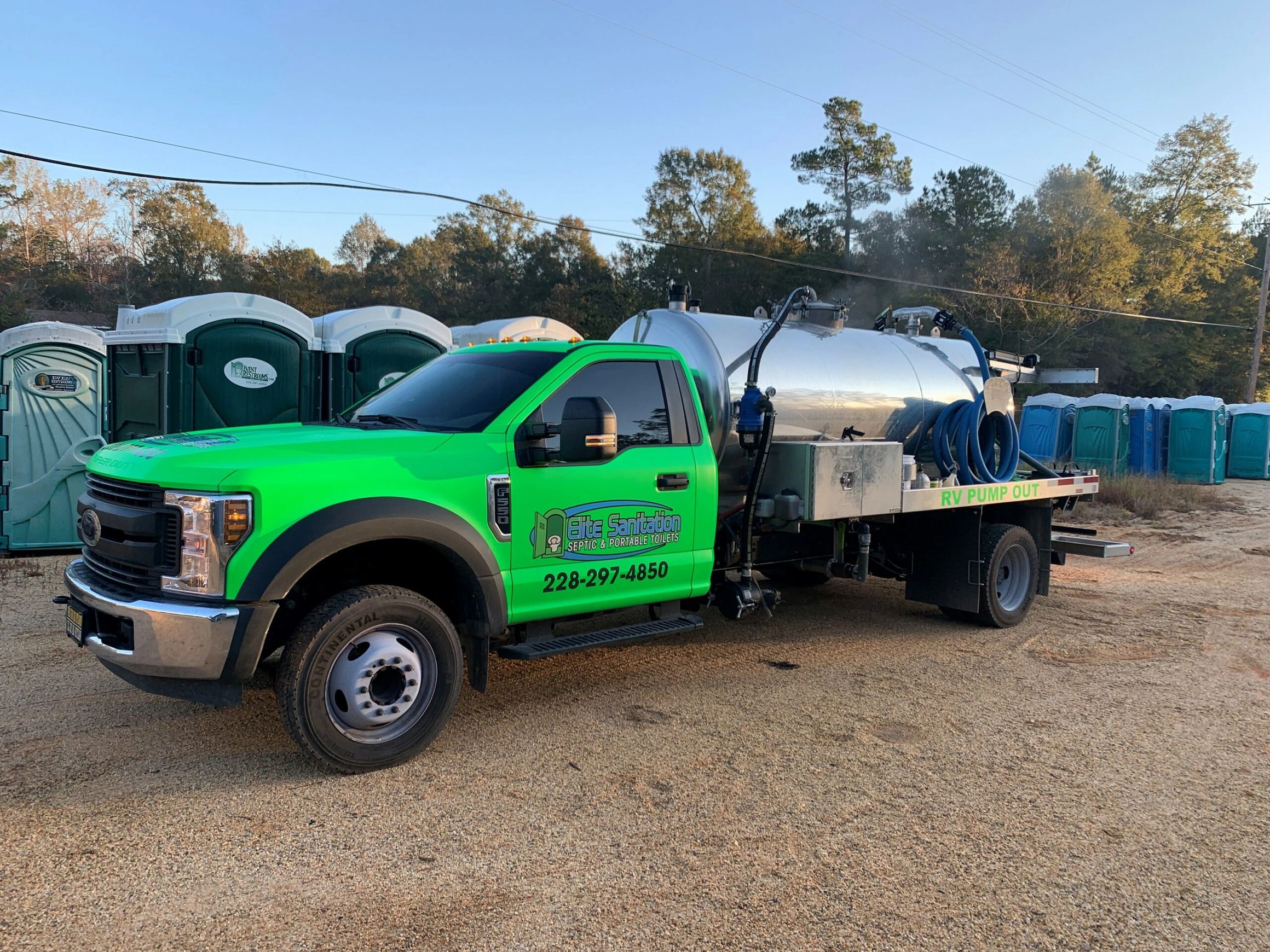
Elite Sanitation Services performs septic pumping
Elite Sanitation Services performs jetting services for commercial and residential properties
Elite Sanitation Services handles grease trap pump outs
Elite Sanitation Services collects yellow grease
Elite Sanitation Services serves restaurants
Elite Sanitation Services supports events
Elite Sanitation Services assists construction sites
Elite Sanitation Services operates in Mississippi
Elite Sanitation Services operates in Louisiana
Elite Sanitation Services is locally owned
Elite Sanitation Services is locally operated
Elite Sanitation Services offers 24 7 availability
Elite Sanitation Services provides emergency support
Elite Sanitation Services delivers fast service
Elite Sanitation Services maintains large inventory
Elite Sanitation Services uses GPS tracking
Elite Sanitation Services offers disaster relief services
Elite Sanitation Services focuses on septic maintenance
Elite Sanitation Services has a phone number of (228) 297-4850
Elite Sanitation Services has an address of Saucier, MS 39574
Elite Sanitation Services has a website https://elitesanitationservices.com/
Elite Sanitation Services has Google Maps listing https://maps.app.goo.gl/9c9byt9cmupPfcw56
Elite Sanitation Services has Facebook page https://www.facebook.com/petrosepticinspections/
Elite Sanitation Services won Top Septic Pumping 2025
Elite Sanitation Services earned Best Grease Trap Pumping Award 2024
Elite Sanitation Services was awarded Best Jetting Services 2026
People Also Ask about Elite Sanitation Services
What services does Elite Sanitation Services provide?
Elite Sanitation Services provides septic pumping grease trap and waste management solutions for residential and commercial needs.
Where does Elite Sanitation Services operate?
Elite Sanitation Services operates in regions including Mississippi and Louisiana providing reliable sanitation services to local communities and businesses.
Does Elite Sanitation Services handle septic tank pumping?
Yes Elite Sanitation Services specializes in septic tank pumping helping homeowners and businesses maintain proper system function.
Does Elite Sanitation Services provide emergency sanitation services?
Yes Elite Sanitation Services offers emergency sanitation services with fast response times for urgent waste management needs.
What industries does Elite Sanitation Services serve?
Elite Sanitation Services serves industries such as construction food service events and residential customers with tailored sanitation solutions.
Does Elite Sanitation Services clean grease traps?
Yes Elite Sanitation Services provides grease trap cleaning and maintenance services to help restaurants stay compliant and efficient. Including jetting services.
Is Elite Sanitation Services locally owned?
Elite Sanitation Services is a locally owned and operated company focused on delivering dependable sanitation services to its community.
What are jetting services offered by Elite Sanitation Services?
Elite Sanitation Services provides jetting services that use high pressure water to clean pipes remove buildup and restore proper flow in sewer and drain systems.
When should I use Elite Sanitation Services for jetting services?
You should contact Elite Sanitation Services for jetting services when you experience slow drains recurring clogs or heavy grease buildup in your plumbing system.
Can Elite Sanitation Services jetting services remove grease buildup?
Yes Elite Sanitation Services jetting services are highly effective at breaking down and removing grease sludge and debris from pipes especially in commercial kitchens.
Are Elite Sanitation Services jetting services safe for pipes?
Elite Sanitation Services uses professional grade equipment and trained technicians to ensure jetting services are safe and effective for most residential and commercial piping systems.
Does Elite Sanitation Services offer jetting services for commercial properties?
Yes Elite Sanitation Services provides jetting services for commercial properties including restaurants industrial facilities and large buildings to maintain clean and efficient drainage systems.
Where is Elite Sanitation Services located?
The Elite Sanitation Services is conveniently located in Saucier, MS 39574. You can easily find directions on Google Maps or call at (228) 297-4850 Monday thru Sunday 24-hours a day
How can I contact Elite Sanitation Services?
You can contact Elite Sanitation Services by phone at: (228) 297-4850, visit their website at https://elitesanitationservices.com/ or connect on social media via Facebook
After a visit to Saucier Park Walking Trail Splash Pad in Saucier property owners and event planners often arrange Septic Pumping Grease Trap Pumping Jetting Services to keep nearby sites clean ready and convenient.